

The customer journey in optics: every step counts
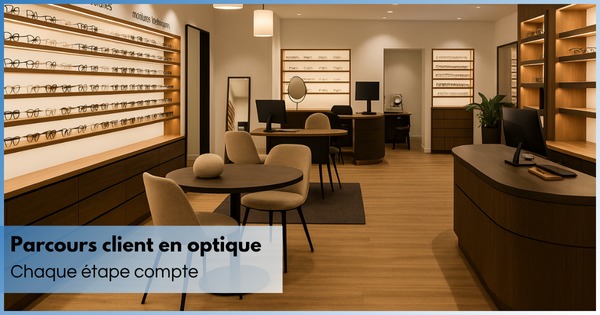
In a context where competition is fierce and purchasing behaviors are rapidly evolving, opticians can no longer rely on simply providing a warm welcome. Analyzing the customer journey has become a strategic lever for improving the overall experience and building loyalty. From the first online contact to the delivery of glasses, each step represents an opportunity or a risk in the customer relationship. An overview of the tools and methods that allow optical professionals to analyze, optimize, and enhance each point of contact with their customers.
Understanding the customer journey in optics to better target obstacles
The customer journey is a series of steps a consumer goes through before, during, and after their purchase. In the optical sector, it often begins well before entering the store: searching for information on Google, reading reviews on social media, locating an optician via Google Maps, etc.
To gain a clear picture, customer journey mapping is a fundamental tool. It allows you to identify all the "moments of truth," i.e., those decisive interactions where the customer experience can change. A poorly optimized website, a long wait in store, or poor coordination with the ophthalmologist are all obstacles that can create frustration for the customer.
Tools like Google My Business provide valuable data on customer behavior upstream (clicks to the site, calls, requests for directions). It's an extremely important and often overlooked tool! It's essential that your information is up to date (opening hours, various information, etc.). Another important point is to respond to all reviews: thank customers who leave you good reviews and comments, and provide a constructive response to those who criticize you. At the same time, post-purchase satisfaction surveys or user interviews allow you to gather concrete feedback.
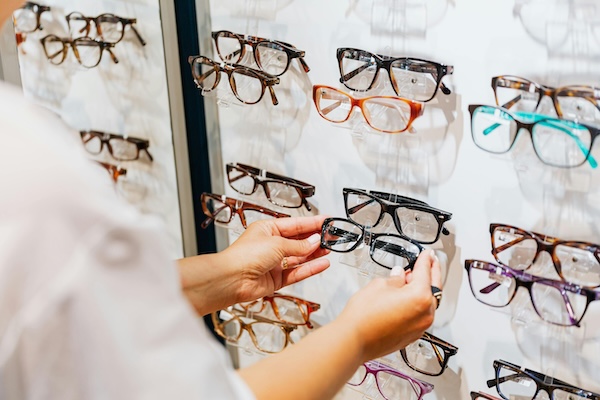
Retail design , or commercial design, refers to the strategic layout of a point of sale to optimize both the customer experience and commercial performance. In optics, it plays a key role: it's not just about presenting frames, but also about creating a fluid, intuitive, and engaging journey, from reception to the fitting area.
Lighting, furniture layout, signage, sensory marketing and even the choice of materials directly influence customer perception, comfort and desire to buy.
Good retail design allows you to visually prioritize the offering (sunglasses, technical frames, designer collections), highlight new products and strengthen the store's brand image.
It also promotes better customer support from opticians, offering them dedicated spaces for advice or eye exams. When thought out intelligently, retail design becomes a powerful lever for converting visits into purchases, building loyalty, and differentiating the store from the competition.
Concrete actions to optimize contact points
Once the pain points have been identified, several actions can be implemented. In stores, rethinking the flow of traffic or improving the readability of the offerings can guide customers more naturally. Waiting areas can be redesigned to become information or discovery spaces (new products, visual advice, CSR commitment, sports, etc.).
Online appointment booking, increasingly popular, streamlines scheduling and reduces waiting times. Some software programs integrate automatic reminders and personalized records, improving the efficiency of customer relations.
Staff also play a key role. Customer experience training (and not just sales training) helps develop the right reflexes: active listening, rephrasing, and personalizing offers. Paying special attention to senior profiles or people with visual impairments is also a positive differentiating factor.
Finally, post-purchase follow-up is too often neglected . A simple thank-you text or email, a call to check satisfaction, or an invitation to a free check-up after a few months can significantly strengthen the bond of trust.
All of these actions aim to transform each contact into a memorable experience, in a world where human relationships remain a competitive advantage compared to pure web players.

Optimizing the customer journey in an optical store isn't just a matter of design or technology. It's more about stance: putting yourself in the customer's shoes at every stage of their experience.
It's also a method: observe, listen, adjust. Digital tools, customer feedback, and a well-thought-out organization are the best allies for opticians who want to combine commercial performance and relational excellence.
Let's remember that in a world where you can buy everything online, it is the experience in the store, and therefore the customer journey (in optics) which gives added value to the point of sale .