

Blue Light: A Growth Segment

Blue light and eye strain are closely linked. With the widespread use of screens in everyday life, exposure to blue light has unsurprisingly become a major visual health issue. Consumers are increasingly concerned about its long-term effects: sleep disturbances and potential eye risks.
For opticians, this phenomenon is nothing new, but it continues to fuel demand for filtering lenses and preventative solutions. In a context where visual comfort remains a priority, the "blue-light" segment is establishing itself as a dynamic and sustainable market, combining technological innovation and educational communication.
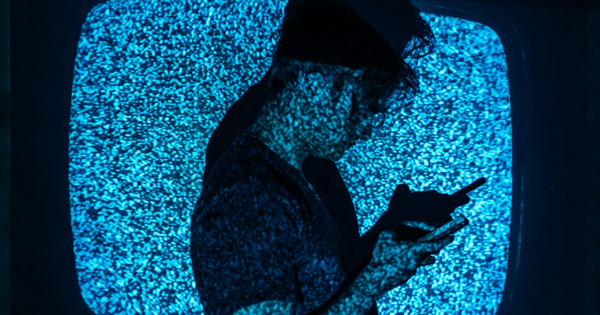
Understanding blue light and its impact on visual fatigue
Blue light corresponds to a part of the visible spectrum , located between 380 and 500 nanometers. We distinguish between "beneficial" blue light, which comes in particular from the sun and is necessary for regulating our biological clock, and so-called "harmful" blue light, particularly emitted by LED screens, which has the potential to impact visual health.
The most common symptoms associated with prolonged exposure are digital eye strain, headaches, eye irritation, and decreased concentration. Studies also suggest a link to circadian disruption, as blue light inhibits melatonin production and delays sleep.
Although scientific research remains cautious about potential long-term retinal toxicity, professional associations and health authorities recommend prevention, particularly for children and adolescents, who are particularly exposed to screens. In this context, the demand for vision protection solutions is constantly growing.
For opticians, it is essential to be able to popularize these issues in order to support customers: clearly explain what blue light is, differentiate proven risks from hypotheses that are still being debated, and highlight the concrete solutions available in stores.
A constantly growing market
The market for anti-blue light lenses has experienced strong acceleration since 2015, driven by the explosion of remote working and accelerated digitalization. According to data from Grand View Research and Euromonitor , the average annual growth of the segment fluctuates between 6 and 8% worldwide, with a positive outlook through 2030.
In France, the National Federation of Opticians of France (FNOF) highlights growing consumer interest in specific filters, not only on corrective lenses, but also on non-prescription glasses, which have become visual comfort accessories. Marketing campaigns by major brands (Essilor, Hoya, Zeiss) have largely contributed to making the use of these lenses commonplace in the general public.
The preventive dimension is particularly appealing to parents, who are seeking to protect school-age children, who are exposed to screens from a very early age. The children's segment therefore represents a particularly promising growth driver.
For opticians, this market is also an opportunity to strengthen their role as prescribers : offering rapid tests in stores to detect signs of visual fatigue, promoting the range of filter lenses and providing practical advice (workstation ergonomics, regular visual breaks, 20-20-20 rules ).

Innovations and diversification of the offer
While filter lenses have long been the flagship product in this segment, innovations are now diversifying. We are seeing the arrival of hybrid solutions, such as photochromic lenses incorporating blue light protection, anti-reflective coatings combined with specific filtration, and even smart glasses incorporating sensors to measure exposure time.
Additionally, some market players are investing in overall well-being. Mobile apps associated with glasses, for example, remind users to take breaks or measure the quality of their sleep.
The blue light segment also offers independent opticians a way to differentiate themselves from larger retailers. By promoting personalized and educational solutions, they can build customer loyalty in search of comfort and expertise. Communication, particularly digital, plays a key role: blog articles, explanatory videos, and social media posts help make the topic accessible and credible to the general public.
Finally, the rise of online commerce is reinforcing this momentum. Many startups offer low-cost blue light blocking glasses online. To stand out, opticians must emphasize the added value of their advice, the quality of their treatments, and the customization of their lenses.
Blue light remains a hot topic, at the intersection of health concerns and digital lifestyles. While scientific research continues to refine its findings, the demand for preventative solutions continues unabated. For opticians, this segment offers a strategic opportunity: to strengthen their advisory role, diversify their offerings, and participate in a growing market. More than a trend, blue light and the resulting visual fatigue are now lasting components of modern vision health.