

Optical Retail: What Developments in 2025?
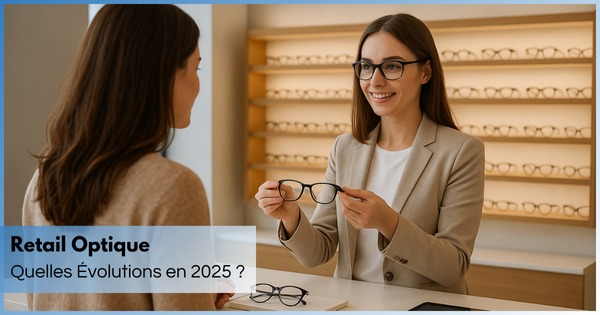
The world of optical retail is evolving rapidly, driven by the combined effects of digitalization, new customer expectations, and product innovations. The year 2025 marks a pivotal moment, with transformations redefining the relationship between opticians and consumers. Behind these changes, we're seeing a strong convergence between in-store experience, e-commerce, health services, and personalization. Let's take a look back at the major trends shaping the optical retail landscape this year.
A reinforced hybridization between physical and digital
The first major change is the acceleration of omnichannel . After several years of growth, 2025 confirms that customers no longer distinguish between in-store and digital: they expect a seamless experience.
In this context, opticians have multiplied digital tools to streamline the purchasing process:
- Online appointment booking, with automated confirmation and reminder.
- 3D virtual fittings accessible from smartphone or tablet.
- Personalized post-purchase follow-up, via targeted applications or newsletters.
In stores, this logic continues: tablets connected to catalogs, augmented reality to visualize frames, interactive terminals, etc. The result: the physical space is no longer just a place of transaction but also becomes a customer experience hub, supported by data collected online.
For independents, this hybridization also appears to be a lever for differentiation from large chains. Those who adopt simple solutions (connected inventory management, personalized customer interface) not only improve satisfaction, but also loyalty.
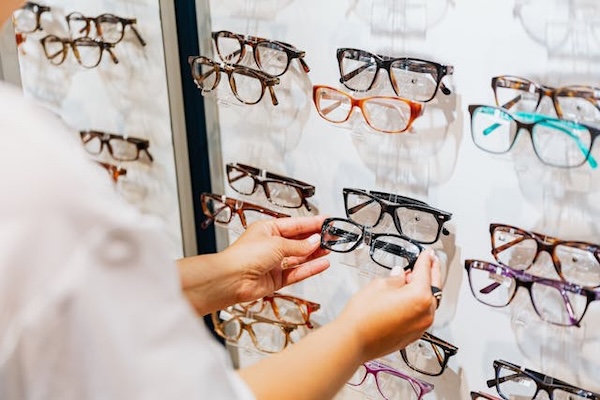
The rise of health and wellness services
The second upheaval concerns the health positioning of opticians . In 2025, the optical store will no longer be limited to selling frames: it will become a global player in visual well-being.
More and more brands are offering quick and accessible visual assessments, strengthened collaborations with orthoptists and ophthalmologists, and personalized advice on preventing visual fatigue, particularly related to screens.
This development is driven in particular by consumer expectations, who are seeking greater proximity and education. The rise of blue light filtering glasses, solutions for progressive myopia, and even lenses adapted to digital uses illustrate this trend.
In addition, some players are already testing additional services: visual coaching for athletes , educational workshops for parents and children, or even health subscriptions including regular monitoring and adjustment of frames.

Premium experience and personalization
Finally, the third key change is the rise in customer experience . Buying glasses, long seen as a utilitarian act, is tending to become an emotional and personalized experience.
Retail design plays a central role: light layouts, lounge spaces, immersive journeys, etc.
The goal is to transform the store into a living space, where people take the time to try things on, discuss things and plan ahead.
Personalization is also at the heart of the model. More and more customers expect recommendations tailored to their style, body shape, and lifestyle. Some opticians now offer custom-made 3D-printed frames, or even recommendation algorithms based on morphological and aesthetic data.
Premium is not just about price, but also about perceived value: expert advice, impeccable after-sales service, eco-responsible packaging and CSR commitment.
The year 2025 confirms that optical retail is undergoing a complete redefinition: omnichannel, health, and personalization are reshaping the way the industry operates. For professionals, the challenge is to integrate these transformations gradually, while remaining true to their identity and local customer base. Those who succeed will be those capable of combining technology, human proximity, and continuous innovation.