

Segmentation by use in optics: adapting the offer to lifestyles
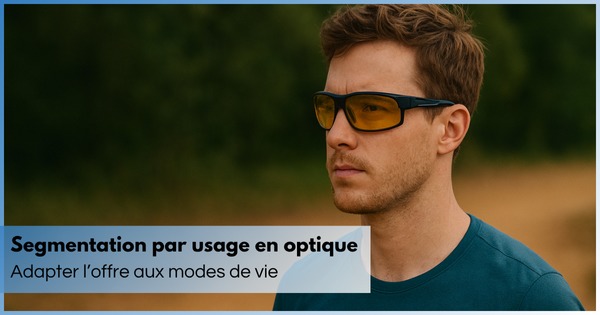
The optical market is transforming: faced with increasingly demanding and connected consumers, personalization is becoming a strategic lever. Opticians no longer sell just a pair of glasses, but an experience adapted to a lifestyle. Segmentation by optical use (sport, active lifestyle, working on screens, sun protection or specific visual health) makes it possible to offer tailor-made solutions while increasing customer loyalty. This marketing approach, supported by several studies, helps to better understand purchasing behaviors and to propose an offer more consistent with the real needs of wearers.
Sport: a high added value market
Sports eyewear is a very dynamic segment today, driven by the search for performance and visual comfort. Manufacturers are focusing on strength, stability and lightness, with materials such as polycarbonate, TR90 or titanium.
Brands like Oakley , Adidas Sport Eyewear or Julbo integrate photochromic and polarizing technologies to adapt to changing light.
According to a December 2024 report from Grand View Research (2024) , the sports eyewear segment is expected to reach $24 billion by 2030. Opticians who develop a dedicated sports space in their store gain visibility, particularly among active thirty-somethings and regular exercisers.
The challenge lies in training teams in the prescription of technical lenses and the creation local partnerships (clubs, coaches, sports associations).
Active life and screen work: visual fatigue at the heart of needs
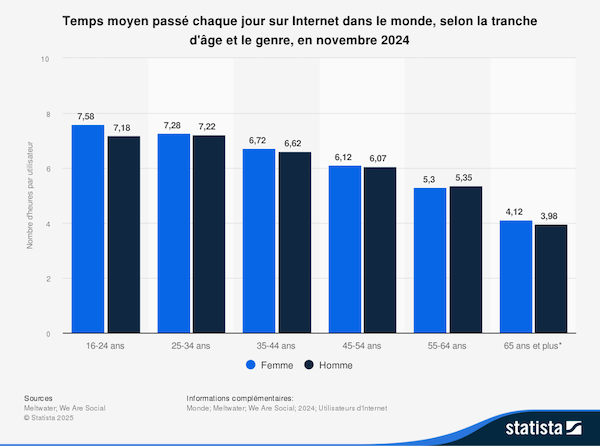
Digital usage is exploding: between 6 and 7.5 hours of screen time per day on average for 18-55 year olds according to Statista (2024) . This is leading to a strong demand for anti-blue light solutions, progressive lenses optimized for the office or ergonomic frames for extended wear.
The major brands (Essilor, Nikon, Zeiss) very regularly develop specific ranges: Eyezen , Digital SmartLife , SeeCoat Blue UV , etc. Products which are deployed for the vast majority of the population.
For opticians, this segmentation opens the way to educational communication: explaining the difference between classic lenses and “digital work” lenses improves perceived value and justifies a higher price positioning.
Optimizing the customer journey also involves in-store usage questionnaires to adapt the solution to the wearer's typical day.
UV protection and daily life: visual health as a central argument
Sunglasses are no longer just a fashion accessory: they're becoming a prevention tool. The CooperVision website mentions that " World Health Organization (WHO) estimates suggest that up to 20% of cataracts may be due to overexposure to UV rays. "
Innovations in sun lenses (photochromic, polarized, internal anti-reflective) enhance protection while maintaining a positive aesthetic.
Brands like Maui Jim or Ray-Ban are investing in selective filtration lenses (UV400 protection and harmful blue light).
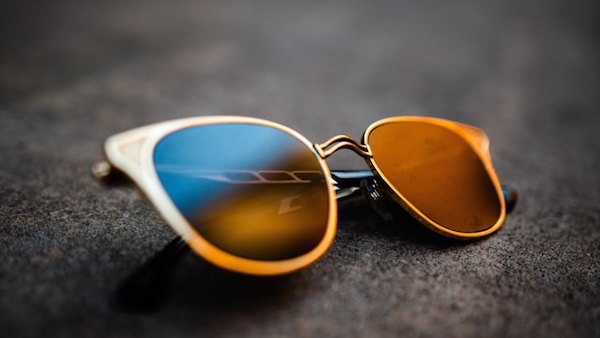
For opticians, segmentation by sun use represents an opportunity for diversification: city glasses, driving glasses, mountain glasses or children's glasses.
Grand View Research's Prescription Sunglass Market forecasts prescription sunglasses to grow at a CAGR of 5.6% between 2025 and 2030.
Segmentation by use in optics is not just a marketing approach: it is a concrete response to new visual lifestyles.
By differentiating offers according to needs (sports performance, digital comfort, protection or mobility), opticians promote their expertise while building customer loyalty.
The future of optics depends on detailed knowledge of uses and in-store education, much more than simply displaying prices.